We need to look at the work differently. The traditions we had before are not going to work moving forward, especially as technology becomes a bigger part of how we operate.
 Ilyce MurrayCareer Services Specialist, Houston City College
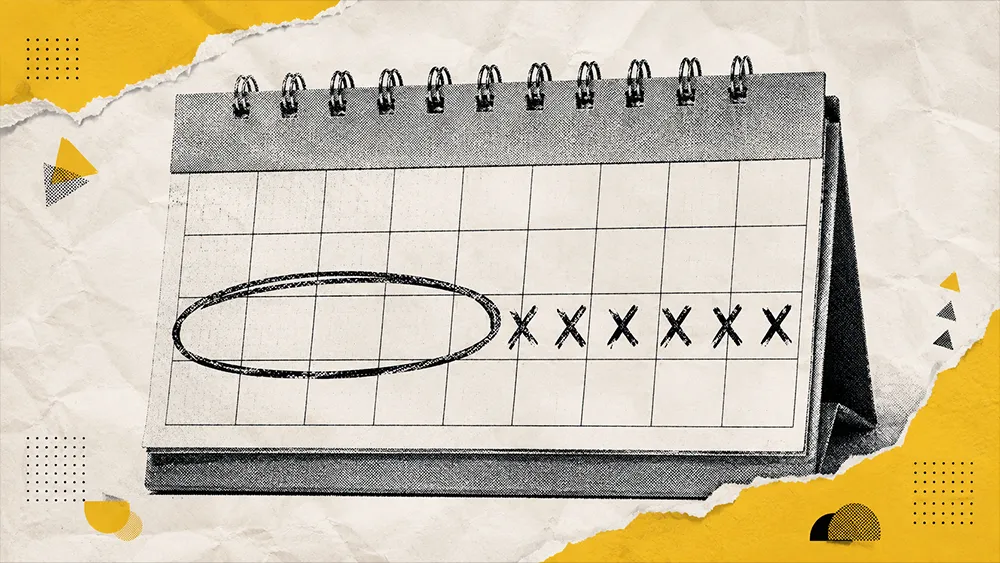
The corporate race to innovate with AI is fueling a culture of manufactured urgency in many workplaces. In the rush to be seen as innovators, companies are leaning on a playbook that treats every task as a crisis. But looking closer, the "crisis" is often less about new technology and more a symptom of a deeper issue: a lack of clear, well-communicated strategy.
To find practical strategies to combat urgency culture, we turned to Ilyce Murray, an experienced HR leader specializing in operations, compliance, and technology implementation. Currently a Career Services Specialist at Houston City College, Murray’s career includes senior HR management roles at major organizations like The Kraft Heinz Company and the University of Texas at Dallas. Murray explains this crisis culture is a recurring phenomenon that has simply found a new catalyst. “I have been in corporate America for many, many years," Murray says. "And everything has always been an emergency.”
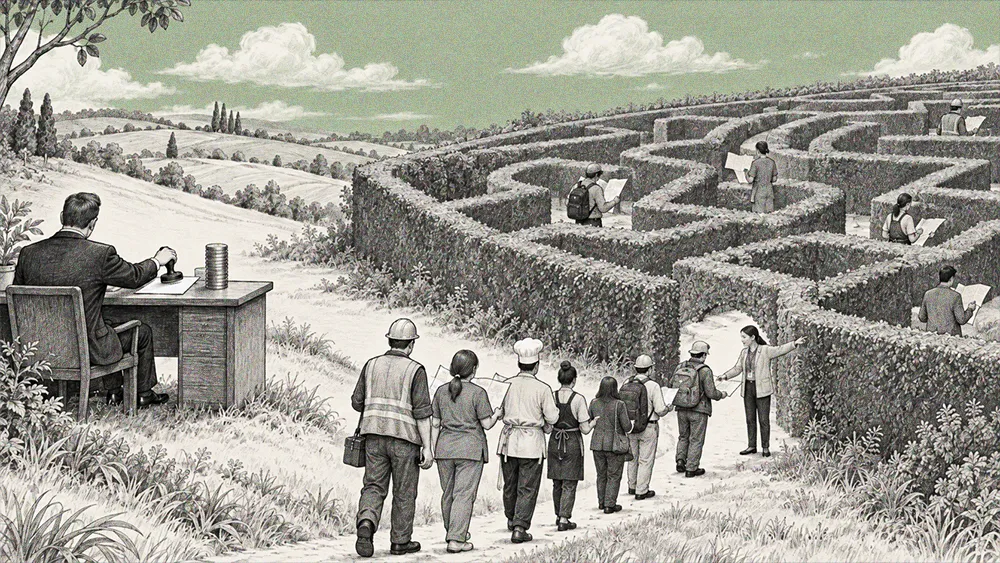
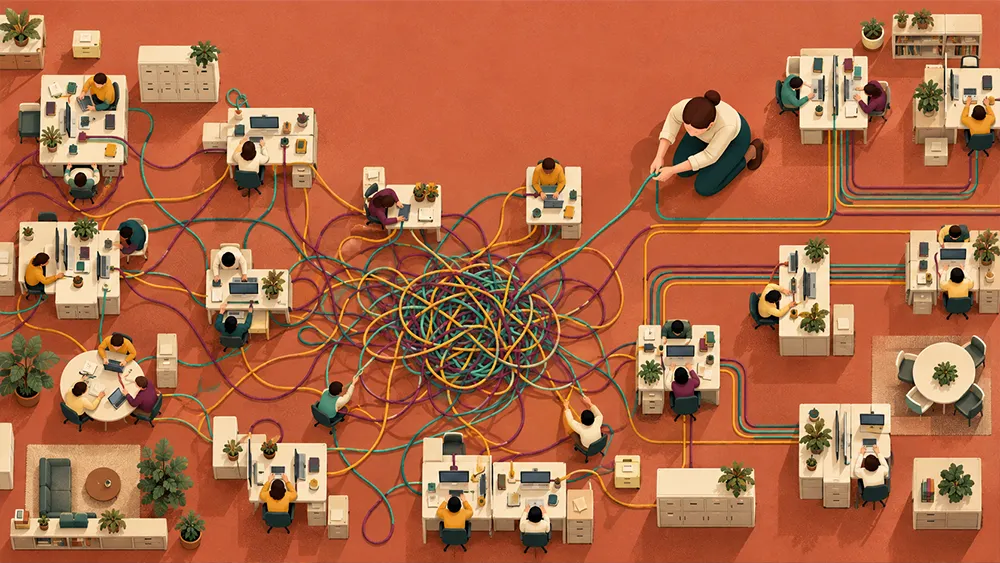
For Murray, this frantic pace is born from ambiguity. When leadership fails to set a clear direction, teams can lose the ability to prioritize, creating a vacuum where every task is treated with the same urgency. This can exhaust employees and undermine innovation. "When everybody is not on the same page, we have chaos," Murray explains. "We're really just throwing spaghetti at the wall."
The result is a destructive cycle of hustle culture, which can lead to employee burnout that stifles the very productivity leaders claim to be chasing. The entire cycle highlights the fundamental contradiction in trying to build a resilient organization on a foundation of chaos. It's a disconnect Murray has witnessed firsthand. "I literally saw people carrying out their boxes to exit the organization," Murray recalls, "Yet, right next to the door was a sign that said, 'New Hire Orientation This Way.' We can't be that out of touch with our workforce."
The quiet part, loud: While this pressure has been a quiet constant for decades, Murray identifies a generational difference in how it is being handled, with younger generations now challenging the chaotic status quo. "I'm Gen X. It's not that we didn't question whether something was a real emergency. We just didn't say it out loud. Gen Z is very good at saying it out loud, whereas other generations would just put their head down and do the work."
The magic question: To break this self-inflicted cycle, Murray encourages employees to relentlessly seek clarity and also encourages managers to "manage up." In doing so, managers can act as a filter, protecting their teams by absorbing pressure and translating it into clear priorities. "As a manager, it's my responsibility to manage up. I have to ask my own manager: 'What are the priorities? Can we break this down into steps? What do you need in the next 24 hours versus the next 72 hours?'"
Hidden skills: Investing in robust skills assessments is an important structural fix, Murray explains. Failing to look within can be a significant waste of potential, as valuable skills lie dormant right under a manager's nose. "You might be an accountant because someone told you that you could make a lot of money in that role. But in your spare time, you may be a really good UX designer. We would never know that in the organization because we don't do good skills assessments," Murray says.
Building a resilient organization, then, means leaders must replace chaos with clarity, leveraging authenticity to better unite the workforce. This requires sending the right internal culture signals by communicating a clear plan effectively so every employee understands their part, improving connection and morale while helping staff focus on value over pure visibility.
Companies need to proactively manage their talent and their goals to break the cycle of burnout and build a sustainable workplace culture that respects the blurred personal-professional lines of modern work, in part by leveraging cultural moments as workplace currency. "We need to look at the work differently," Murray states. "The traditions we had before are not going to work moving forward, especially as technology becomes a bigger part of how we operate."