
Forcing HR Into A Single Function Drives Burnout. Role Alignment Can Fix It.

HR burnout often comes from being expected to do everything at once. When people are pushed too far outside their natural strengths, the role becomes harder to sustain over time.
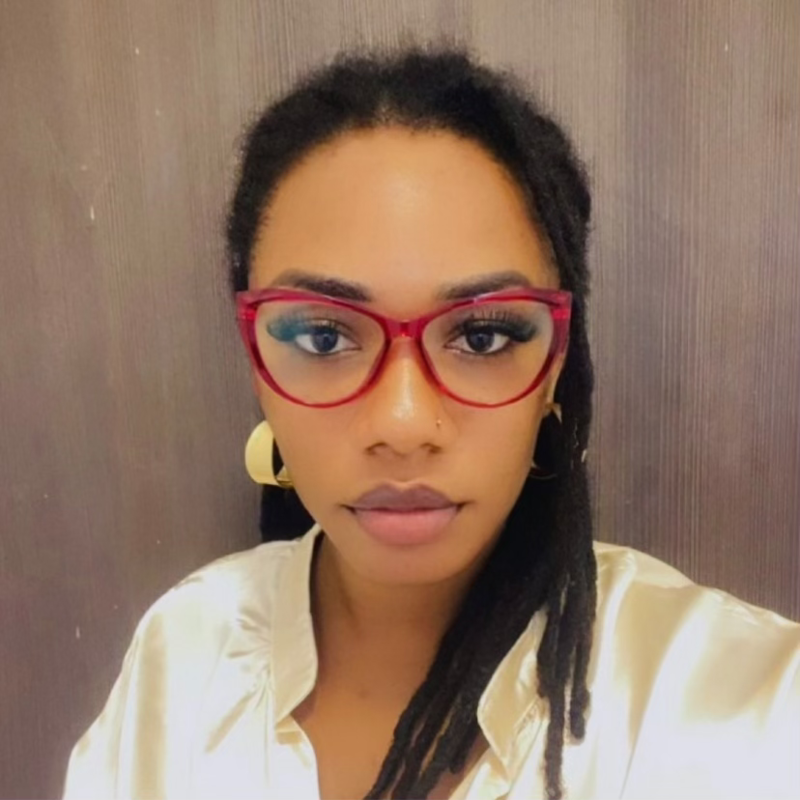
Precious Kalu
HR Specialist
ExecutivePros
HR has outgrown how companies traditionally define it, but many are still trying to force it into a single role. One person is often expected to enforce rules and build trust, drive accountability, and remain emotionally available. Those are not just multiple responsibilities; they require very different strengths. When they’re forced together, the role becomes unsustainable, pushing even strong professionals toward burnout.
Precious Kalu, an HR Specialist at ExecutivePros, an elite offshore staffing firm, has built HR frameworks from the ground up, designing policies, performance structures, and analytics systems that shape how organizations manage talent. She also works within hospitality, giving her a dual lens into an industry that already separates roles by temperament, shaping how she identifies the root cause of HR burnout.
“HR burnout often comes from being expected to do everything at once. When people are pushed too far outside their natural strengths, the role becomes harder to sustain over time,” Kalu says. The field has evolved significantly, splitting into operations managers, business partners, and people-and-culture officers, but many companies still collapse those functions into one seat.
Wearing too many hats: “Organizations need to be clear about what they actually need instead of combining very different HR functions into one role. An operations manager and a people-and culture officer should not automatically sit in the same seat. Someone may manage both as first, but over time, that balance becomes difficult to sustain,” Kalu emphasizes. The strain shows most when policy enforcement clashes with the relational demands of culture building.
Faking the funk: “I’m not saying systems-focused HR should lack warmth, but balancing compliance with a people-and-culture role is difficult. That tension is what drives burnout,” she adds. In these cases, temperament matters more than capability. “My strength lies in systems, being the control room in HR. Stepping into a front-facing role would be a disservice to me and the organization, and it leads to exhaustion. I would rather a people-and-culture person come in to balance it out, it works better that way.” One industry that already reflects this well is hospitality. The front-of-house and back-of-house divide mirrors the kind of role separation HR also needs.
Vibes over skills: “If you’re hiring for front-of-house, you have to look beyond skills. You have to consider personality too, because it will always come out,” Kalu explains. That screening shows up under pressure, not in interviews. She highlights a firsthand experience with a front-of-house candidate: “You couldn’t tell she was nervous because she was smiling. Even with an agitated guest, her personality stayed warm.”
Kalu sees this as a framework for HR hiring. “Hospitality is one of the few industries that has picked that up in a practical way,” says Kalu. People who are naturally process-driven should handle operations roles, while those with strong empathy are better suited for culture-focused roles. When alignment exists, trust follows. “In environments where employees trust HR to act, they are more likely to bring issues forward instead of reacting in the moment. That trust is built when concerns are consistently addressed and not allowed to slip through the cracks, because unresolved issues often spill into team dynamics and affect overall performance,” Knowing which type of professional to bring in requires looking inward first. That starts with organizational audits to identify exactly what a company needs.
Checking the receipts: “In organizations where accountability is weak or inconsistent, there is a need for someone who can build systems that reinforce it. When the same role is responsible for enforcing accountability and maintaining people-and-culture relationships, it can create resistance, as employees may struggle to separate the two functions,” Kalu notes. Growth-stage companies face a different gap. “As organizations begin to scale toward long-term goals, HR operations alone is not enough. While the operations role provides critical on-the-ground execution, a business partner is needed to focus on long-term people strategy and growth planning. These roles should work alongside each other, with clear ownership, so that operational delivery and strategic direction can both be sustained without overloading one function.” They have great insights from working on the ground, but the business partner needs to work with them and take over mapping that long-term plan.” Neither role replaces the other, the operational work carries its own weight.
Startups’ familiar excuse: By the time you’re scaling and focusing on employee well-being, it’s paramount to separate those roles,” she says. The alternative is a revolving door that resets institutional knowledge every time someone walks out. “If you leave it to one person, they’ll burn out and leave. A new person starts their own way. It’s like different hands making one soup, and it’s not sustainable.” Even well-separated roles can be undermined if the governance above them hasn’t kept pace. “HR and its frameworks were tied to how organizations operated twenty years ago. The resources available now don’t fit, so new frameworks and studies need to emerge; that’s what I’m working on.”
Systemic tracking: In founder-led businesses, this challenge can become even harder to manage. “Even when HR is brought in to advise, it can still be easily overridden, which weakens the structure needed for the function to work effectively,” Kalu explains. When that concentrated power goes unchecked, even carefully built HR systems can be dismantled overnight. “More people need to start speaking up, and we need resources to talk about the human resource ecosystem as it is now, not how it used to be.”
Burnout persists when HR roles force incompatible responsibilities onto a single professional. By matching people to the tasks that suit them and modernizing outdated practices, organizations create a setting where HR can operate effectively, manage pressures, and maintain continuity as they grow. “HR is no longer just a single job; it functions more like an ecosystem. If we want it to work well, we need to design it around how organization and people actually operate today,” Kalu concludes.
Related articles

TL;DR
As HR evolves into specialized functions but remains consolidated into one role, professionals are forced between enforcement and empathy, creating a constant internal conflict that leads to burnout and breakdown in execution.
Precious Kalu, HR Specialist at ExecutivePros, explains that burnout comes from being pushed outside natural strengths, as combining operations and people-focused responsibilities may start strong but becomes unsustainable over time.
Separating HR into distinct roles aligned with personality and organizational needs allows each function to operate effectively, reducing burnout and creating systems that hold as companies grow.

Precious Kalu
ExecutivePros
HR Specialist
HR Specialist
HR has outgrown how companies traditionally define it, but many are still trying to force it into a single role. One person is often expected to enforce rules and build trust, drive accountability, and remain emotionally available. Those are not just multiple responsibilities; they require very different strengths. When they’re forced together, the role becomes unsustainable, pushing even strong professionals toward burnout.
Precious Kalu, an HR Specialist at ExecutivePros, an elite offshore staffing firm, has built HR frameworks from the ground up, designing policies, performance structures, and analytics systems that shape how organizations manage talent. She also works within hospitality, giving her a dual lens into an industry that already separates roles by temperament, shaping how she identifies the root cause of HR burnout.
“HR burnout often comes from being expected to do everything at once. When people are pushed too far outside their natural strengths, the role becomes harder to sustain over time,” Kalu says. The field has evolved significantly, splitting into operations managers, business partners, and people-and-culture officers, but many companies still collapse those functions into one seat.
Wearing too many hats: “Organizations need to be clear about what they actually need instead of combining very different HR functions into one role. An operations manager and a people-and culture officer should not automatically sit in the same seat. Someone may manage both as first, but over time, that balance becomes difficult to sustain,” Kalu emphasizes. The strain shows most when policy enforcement clashes with the relational demands of culture building.
Faking the funk: “I’m not saying systems-focused HR should lack warmth, but balancing compliance with a people-and-culture role is difficult. That tension is what drives burnout,” she adds. In these cases, temperament matters more than capability. “My strength lies in systems, being the control room in HR. Stepping into a front-facing role would be a disservice to me and the organization, and it leads to exhaustion. I would rather a people-and-culture person come in to balance it out, it works better that way.” One industry that already reflects this well is hospitality. The front-of-house and back-of-house divide mirrors the kind of role separation HR also needs.
Vibes over skills: “If you’re hiring for front-of-house, you have to look beyond skills. You have to consider personality too, because it will always come out,” Kalu explains. That screening shows up under pressure, not in interviews. She highlights a firsthand experience with a front-of-house candidate: “You couldn’t tell she was nervous because she was smiling. Even with an agitated guest, her personality stayed warm.”
Kalu sees this as a framework for HR hiring. “Hospitality is one of the few industries that has picked that up in a practical way,” says Kalu. People who are naturally process-driven should handle operations roles, while those with strong empathy are better suited for culture-focused roles. When alignment exists, trust follows. “In environments where employees trust HR to act, they are more likely to bring issues forward instead of reacting in the moment. That trust is built when concerns are consistently addressed and not allowed to slip through the cracks, because unresolved issues often spill into team dynamics and affect overall performance,” Knowing which type of professional to bring in requires looking inward first. That starts with organizational audits to identify exactly what a company needs.
Checking the receipts: “In organizations where accountability is weak or inconsistent, there is a need for someone who can build systems that reinforce it. When the same role is responsible for enforcing accountability and maintaining people-and-culture relationships, it can create resistance, as employees may struggle to separate the two functions,” Kalu notes. Growth-stage companies face a different gap. “As organizations begin to scale toward long-term goals, HR operations alone is not enough. While the operations role provides critical on-the-ground execution, a business partner is needed to focus on long-term people strategy and growth planning. These roles should work alongside each other, with clear ownership, so that operational delivery and strategic direction can both be sustained without overloading one function.” They have great insights from working on the ground, but the business partner needs to work with them and take over mapping that long-term plan.” Neither role replaces the other, the operational work carries its own weight.
Startups’ familiar excuse: By the time you’re scaling and focusing on employee well-being, it’s paramount to separate those roles,” she says. The alternative is a revolving door that resets institutional knowledge every time someone walks out. “If you leave it to one person, they’ll burn out and leave. A new person starts their own way. It’s like different hands making one soup, and it’s not sustainable.” Even well-separated roles can be undermined if the governance above them hasn’t kept pace. “HR and its frameworks were tied to how organizations operated twenty years ago. The resources available now don’t fit, so new frameworks and studies need to emerge; that’s what I’m working on.”
Systemic tracking: In founder-led businesses, this challenge can become even harder to manage. “Even when HR is brought in to advise, it can still be easily overridden, which weakens the structure needed for the function to work effectively,” Kalu explains. When that concentrated power goes unchecked, even carefully built HR systems can be dismantled overnight. “More people need to start speaking up, and we need resources to talk about the human resource ecosystem as it is now, not how it used to be.”
Burnout persists when HR roles force incompatible responsibilities onto a single professional. By matching people to the tasks that suit them and modernizing outdated practices, organizations create a setting where HR can operate effectively, manage pressures, and maintain continuity as they grow. “HR is no longer just a single job; it functions more like an ecosystem. If we want it to work well, we need to design it around how organization and people actually operate today,” Kalu concludes.