
Lessons from an Ex-Crisis Manager in Aligning Mission, Rest, and Leadership to Prevent Burnout
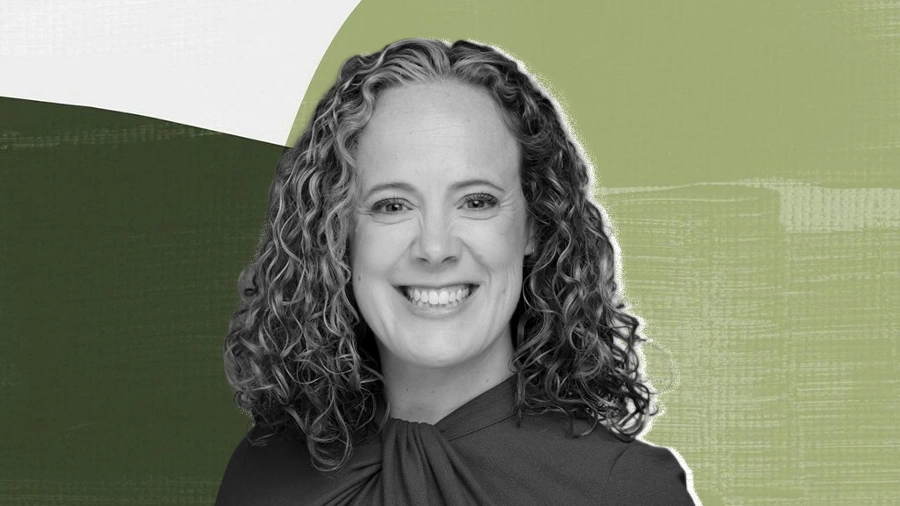
Our brains need rest to keep perspective. Without it, you lose sight of your customers and the mission.
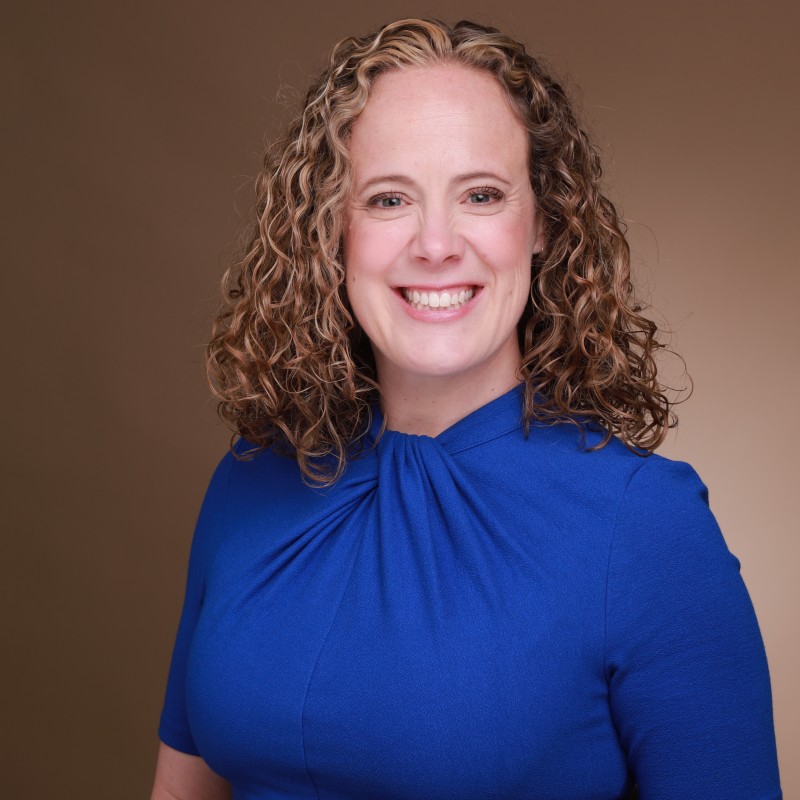
Faith Lyons
Founder
The Nugget App
Even as U.S. workers report record levels of burnout, social media and corporate life often glorify a resurgent hustle culture. The pressure to be always on shows up in the data, with a growing number of employees putting in extra hours after the official workday ends. The unsustainable model is prompting a re-evaluation of what drives results and what success looks like for each individual employee.
Faith Lyons is a case study in career realignment. Lyons spent a decade on the front lines of global humanitarian crisis management, serving on World Vision’s Global Rapid Response Team to support emergency response in countries like Haiti and Syria within 24-72 hours. Later, at charity: water, she managed a portfolio that included $47M in active grants. These roles gave her a unique perspective on the relationship between intense work, recovery, and mission success, which she now brings to her latest venture, The Nugget App, a platform designed to help families find welcoming spaces.
Her core philosophy offers a sharp counterpoint to the hustle culture narrative, turning the idea of rest from a personal luxury into a business strategy. She explains that without deliberate pauses, leaders and teams risk losing the very perspective needed to serve their mission and their customers. “Our brains need rest to keep perspective. Without it, you lose sight of your customers and the mission,” she says.
Grind and recover: That viewpoint comes directly from her early career, which operated on a model of intense, focused sprints followed by mandated recovery. “For a while, I was very much used to this: work hard, take a rest, work hard, take a rest,” she recalls. The cyclical approach was a world away from the linear, unending grind she later witnessed in corporate workplaces. For Lyons, the shortcomings of that model became clear even when managing a team with a seemingly generous “unlimited vacation” policy. She learned that in a culture of overwork, managers had to proactively push teams to schedule time off to avoid burnout. The lesson was clear: a generous policy is worthless without a culture that actually encourages people to use it.
But the true catalyst for change came with parenthood. Having her first child in the UK, a country with far more generous parental leave policies than the chronically lagging U.S., gave her the time and space to consider her priorities. That time for reflection led to a re-evaluation of career and life goals with her husband, where they mapped out their values and realized the life they were living did not align with the one they wanted.
A British break: “The UK gives maternity leave for up to a year, and you have this time to think about what you want and if your current path is the right fit. That time is so important because, as a new parent, you have no idea what kind of mom you want to be,” Lyons explains. The realization prompted a move from London to rural Finland, where her Finnish-American husband had always wanted to return. “We did a whiteboard exercise. We went to bed at night with this whiteboard, and we woke up to it, and we realized the life we were living really didn’t reflect the life we wanted.”
Now, Lyons is building her company on the principles she’s learned throughout her career. The business is built on the principle that you can achieve high-impact results without demanding endless hours. She hires for passion and mission-alignment, trusting that intrinsic motivation is a more powerful driver than a rigid schedule. Hiring for mission-alignment unlocked a focused efficiency she calls a hallmark of caregivers, who become adept at high-impact work in short windows of time. “I’ve found that people can succeed in even eight or ten hours a week. Because they’re so connected to the mission, that’s what drives them forward to work harder in those hours and then take the breaks they need.”
The 30-minute masterclass: Lyons explains that becoming a parent honed her ability to maximize output in limited time, turning a common constraint into a strategic advantage. “Moms know we have such a short amount of time to get things done, and that constraint creates incredible focus. We develop an ability to execute a task in thirty minutes and be done with it. It’s high-impact, high-return work, even if the hours are less,” she says.
She believes that creating a sustainable culture depends on leaders visibly modeling the behavior they want to see. When a senior-level leader like her husband takes his full paternity leave, or when managers block off time to pick up their child, it helps create a permission structure for the entire team. It’s a practice, she adds, that should be paired with intentional check-ins, like walking one-on-ones, that create the space to ask bigger questions and prevent the drift that can come from a “go, go, go” routine. “Leaders need to live their lives out loud. When you model balance, you give everyone else permission to do the same,” she stresses.
Growth on the go: “As a manager, it’s important to use check-ins to ask about your team’s future, not just their current tasks. You need to ask where they want to go in their career and how they want to grow. When people know someone is looking out for them and there’s a growth opportunity, they are more willing to give their all,” she observes. Beyond daily tasks, Lyons emphasizes that these check-ins, especially when conducted in a relaxed setting outside the office, build loyalty and long-term engagement by signaling a genuine investment in an employee’s personal and professional trajectory.
Ultimately, Lyons’s journey offers a model for a new kind of ambition defined by connection, values, and sustainable impact. For those feeling burnt out, she recommends creating personal “filters” to decide what to say no to and scheduling regular check-ins to ensure your life is intentional. Her story challenges leaders to look beyond the performative busyness of hustle culture and ask a question: How much is enough?
Related articles



TL;DR
As U.S. workers face record burnout from hustle culture, another approach prioritizes sustainable work and employee well-being.
Faith Lyons, founder of The Nugget App, explains how her background in crisis management and her journey as a parent shaped her anti-burnout philosophy.
She encourages deliberate rest, mission-driven teams, and leaders who model work-life balance to achieve higher impact and lasting success.
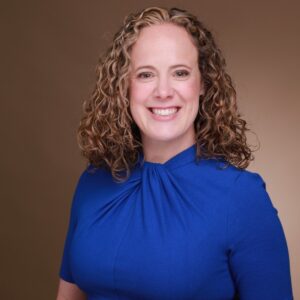
Faith Lyons
The Nugget App
Founder
Founder
Even as U.S. workers report record levels of burnout, social media and corporate life often glorify a resurgent hustle culture. The pressure to be always on shows up in the data, with a growing number of employees putting in extra hours after the official workday ends. The unsustainable model is prompting a re-evaluation of what drives results and what success looks like for each individual employee.
Faith Lyons is a case study in career realignment. Lyons spent a decade on the front lines of global humanitarian crisis management, serving on World Vision’s Global Rapid Response Team to support emergency response in countries like Haiti and Syria within 24-72 hours. Later, at charity: water, she managed a portfolio that included $47M in active grants. These roles gave her a unique perspective on the relationship between intense work, recovery, and mission success, which she now brings to her latest venture, The Nugget App, a platform designed to help families find welcoming spaces.
Her core philosophy offers a sharp counterpoint to the hustle culture narrative, turning the idea of rest from a personal luxury into a business strategy. She explains that without deliberate pauses, leaders and teams risk losing the very perspective needed to serve their mission and their customers. “Our brains need rest to keep perspective. Without it, you lose sight of your customers and the mission,” she says.
Grind and recover: That viewpoint comes directly from her early career, which operated on a model of intense, focused sprints followed by mandated recovery. “For a while, I was very much used to this: work hard, take a rest, work hard, take a rest,” she recalls. The cyclical approach was a world away from the linear, unending grind she later witnessed in corporate workplaces. For Lyons, the shortcomings of that model became clear even when managing a team with a seemingly generous “unlimited vacation” policy. She learned that in a culture of overwork, managers had to proactively push teams to schedule time off to avoid burnout. The lesson was clear: a generous policy is worthless without a culture that actually encourages people to use it.
But the true catalyst for change came with parenthood. Having her first child in the UK, a country with far more generous parental leave policies than the chronically lagging U.S., gave her the time and space to consider her priorities. That time for reflection led to a re-evaluation of career and life goals with her husband, where they mapped out their values and realized the life they were living did not align with the one they wanted.
A British break: “The UK gives maternity leave for up to a year, and you have this time to think about what you want and if your current path is the right fit. That time is so important because, as a new parent, you have no idea what kind of mom you want to be,” Lyons explains. The realization prompted a move from London to rural Finland, where her Finnish-American husband had always wanted to return. “We did a whiteboard exercise. We went to bed at night with this whiteboard, and we woke up to it, and we realized the life we were living really didn’t reflect the life we wanted.”
Now, Lyons is building her company on the principles she’s learned throughout her career. The business is built on the principle that you can achieve high-impact results without demanding endless hours. She hires for passion and mission-alignment, trusting that intrinsic motivation is a more powerful driver than a rigid schedule. Hiring for mission-alignment unlocked a focused efficiency she calls a hallmark of caregivers, who become adept at high-impact work in short windows of time. “I’ve found that people can succeed in even eight or ten hours a week. Because they’re so connected to the mission, that’s what drives them forward to work harder in those hours and then take the breaks they need.”
The 30-minute masterclass: Lyons explains that becoming a parent honed her ability to maximize output in limited time, turning a common constraint into a strategic advantage. “Moms know we have such a short amount of time to get things done, and that constraint creates incredible focus. We develop an ability to execute a task in thirty minutes and be done with it. It’s high-impact, high-return work, even if the hours are less,” she says.
She believes that creating a sustainable culture depends on leaders visibly modeling the behavior they want to see. When a senior-level leader like her husband takes his full paternity leave, or when managers block off time to pick up their child, it helps create a permission structure for the entire team. It’s a practice, she adds, that should be paired with intentional check-ins, like walking one-on-ones, that create the space to ask bigger questions and prevent the drift that can come from a “go, go, go” routine. “Leaders need to live their lives out loud. When you model balance, you give everyone else permission to do the same,” she stresses.
Growth on the go: “As a manager, it’s important to use check-ins to ask about your team’s future, not just their current tasks. You need to ask where they want to go in their career and how they want to grow. When people know someone is looking out for them and there’s a growth opportunity, they are more willing to give their all,” she observes. Beyond daily tasks, Lyons emphasizes that these check-ins, especially when conducted in a relaxed setting outside the office, build loyalty and long-term engagement by signaling a genuine investment in an employee’s personal and professional trajectory.
Ultimately, Lyons’s journey offers a model for a new kind of ambition defined by connection, values, and sustainable impact. For those feeling burnt out, she recommends creating personal “filters” to decide what to say no to and scheduling regular check-ins to ensure your life is intentional. Her story challenges leaders to look beyond the performative busyness of hustle culture and ask a question: How much is enough?