
New York Employers Invest In Skills, ‘Portfolio Careers’ To Reignite Workforce Mobility
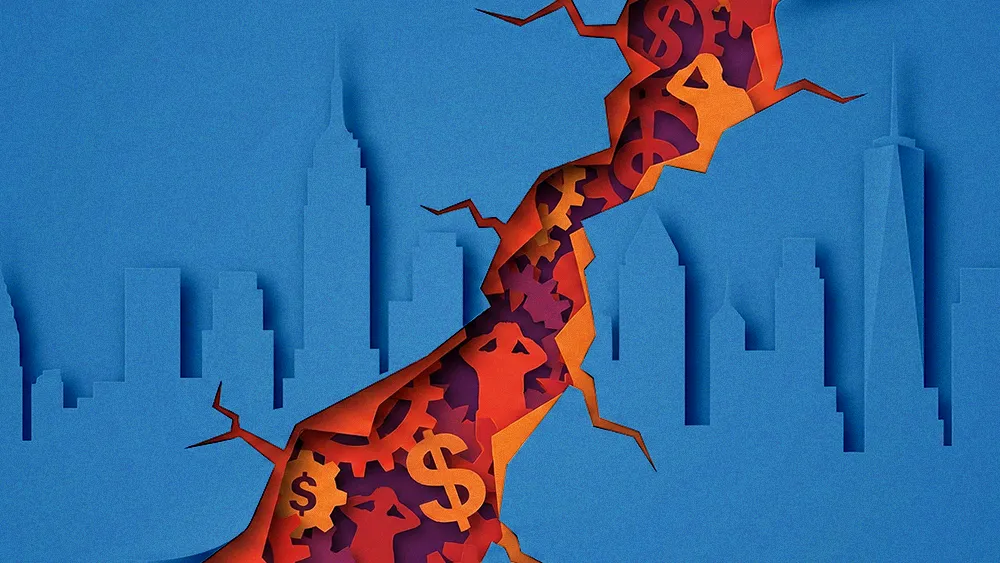
Low turnover doesn’t mean people are happy. It means they’re stuck. That's the word I'm hearing a lot.
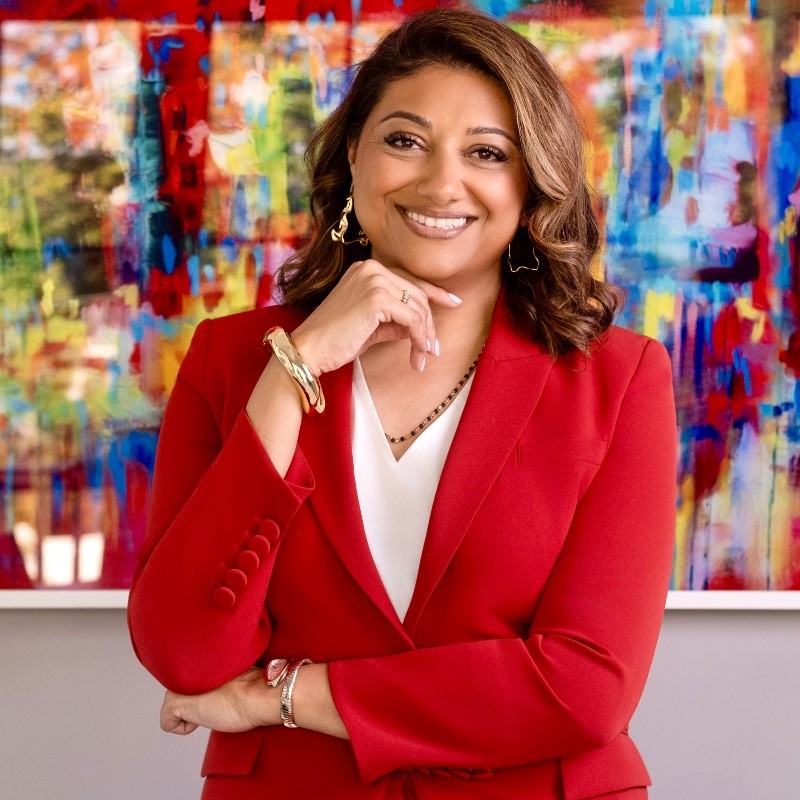
Deepali Vyas
Global Head of Data & AI
ZRG Partners
New York looks stable on paper. Turnover is low. But employee Net Promoter Scores sit in the bottom quartile, hiring is sluggish, and the state ranks last for job postings. Taken together, BambooHR’s latest data points to a workforce that isn’t confident or energized, but stuck in place. What appears to be retention increasingly reflects a lack of mobility, muted opportunity, and a labor market that has stalled rather than settled.
Deepali Vyas, the Global Head of Data & AI at ZRG Partners, provides her insight on the forces behind these numbers. A 25-year veteran of C-suite executive search at top firms like Korn Ferry, Vyas has become a prominent voice in career development, building a Vyas Media platform that reaches over 1.3 million professionals. Her take is that leaders who celebrate low turnover in this climate may be misinterpreting a key data point.
“Low turnover doesn’t mean people are happy. It means they’re stuck. That’s the word I’m hearing a lot,” says Vyas. The feeling of being stuck is often fueled by significant economic pressure. For those who do look for a new role, the job hunt itself can be a minefield, with the rise of “ghost jobs” that don’t lead to hires and a proliferation of sophisticated job scams.
Cost of living crunch: Such an environment contributes to a phenomenon she calls “quiet cracking,” where some employees are reaching a breaking point. “New York workers, in general, can’t afford to move without a meaningful step up, and the high opportunity cost of making a change suppresses voluntary turnover, even when engagement is low,” she explains. “I think people are cracking because of all these circumstances. There’s low turnover and a low amount of job postings.”
Calm before the storm: So how can leaders identify this cracking before it shatters team morale? Vyas advises leaders to listen for the subtle signs of disengagement, noting that a lack of friction is often the clearest indicator. She believes simple acts like employee recognition can help foster a better culture. “I would caution leaders to keep an ear out for fewer questions. Fewer debates, fewer pushbacks. Meetings feel a little too smooth. That’s disengagement, that’s not alignment,” she clarifies. “High performers go quiet. Your strongest people stop raising ideas, stop volunteering for things, and stop challenging assumptions. They are conserving their energy or planning their exit, and that’s a really big red flag.”
According to Vyas, this stagnation stems from employer risk aversion. She describes a “barbell job market” that has swung from the “frenetic, insane” over-hiring of a few years ago to the other extreme, contributing to what feels like a great freeze. As many companies grapple with uncertainty, they are delaying hires, backfilling selectively, and squeezing more productivity from leaner teams.
Hiring paralysis: The pressure on teams is compounded by “shadow layoffs”, a steady trickle of cuts that can contribute to a feeling of paralysis among employees. “Hiring and being dead last in job postings signals risk aversion. There’s budget compression, and there’s hiring paralysis. It’s a bifurcated market,” says Vyas. “New York City is frozen by risk and saturation, while upstate is constrained by scale and access. In many cases, the problem is exacerbated by post-pandemic return-to-office mandates.” Vyas says employees who moved away from a city center during the pandemic now find themselves stuck when their employer demands they come back to the office, limiting their job opportunities.
Vyas traces the current malaise directly back to the whiplash from the 2021 hiring boom. The rapid correction in the market, she suggests, left a deep sense of disillusionment that has serious implications for company culture and future performance. “It’s a hangover from 2021, where there was cheap capital, aggressive hiring, inflated titles, and compensation, which have now been reset. When that environment was corrected, expectations didn’t reset at the same pace as reality. People remember what work felt like. Promises weren’t kept, work got harder, the rewards got smaller, and the psychological contract broke for them.”
The portfolio pivot: Vyas proposes a two-pronged solution. For individuals, she points to the rise of the “portfolio career,” where professionals leverage their expertise across multiple clients. For the government, she advocates for policies that support this new economy, especially AI upskilling to prepare the workforce for future needs and address AI’s impact on management. “Modernize work classifications for the portfolio economy. That means clearer, safer classifications for independent workers and portable benefits, like health and retirement, that follow the worker.”
The danger for New York’s labor market isn’t a sudden wave of exits but a prolonged pause. When employers default to caution and workers see movement as too risky, the result is an economy that holds onto people while quietly losing momentum. The organizations that break out of this cycle won’t be the ones waiting for certainty to return, but those willing to invest in growth, skills, and credible opportunity despite it. Otherwise, low turnover may persist, masking a workforce that stayed put, but stopped moving forward. “If I can propose one thing, it would be data and AI upskilling. Everyone needs to be data and AI-literate,” Vyas concludes.
Related articles




TL;DR
New York’s low turnover hides a deeper problem where weak engagement, slow hiring, and last-place job postings trap workers in place and drain momentum from the labor market.
Deepali Vyas, Global Head of Data & AI at ZRG Partners, explains that economic pressure, risk-averse employers, and a post-boom hiring freeze leave many employees feeling stuck rather than stable.
Vyas points to portfolio careers, portable benefits, and broad data and AI upskilling as practical ways to restore mobility, confidence, and long-term workforce growth.

Deepali Vyas
ZRG Partners
Global Head of Data & AI
Global Head of Data & AI
New York looks stable on paper. Turnover is low. But employee Net Promoter Scores sit in the bottom quartile, hiring is sluggish, and the state ranks last for job postings. Taken together, BambooHR’s latest data points to a workforce that isn’t confident or energized, but stuck in place. What appears to be retention increasingly reflects a lack of mobility, muted opportunity, and a labor market that has stalled rather than settled.
Deepali Vyas, the Global Head of Data & AI at ZRG Partners, provides her insight on the forces behind these numbers. A 25-year veteran of C-suite executive search at top firms like Korn Ferry, Vyas has become a prominent voice in career development, building a Vyas Media platform that reaches over 1.3 million professionals. Her take is that leaders who celebrate low turnover in this climate may be misinterpreting a key data point.
“Low turnover doesn’t mean people are happy. It means they’re stuck. That’s the word I’m hearing a lot,” says Vyas. The feeling of being stuck is often fueled by significant economic pressure. For those who do look for a new role, the job hunt itself can be a minefield, with the rise of “ghost jobs” that don’t lead to hires and a proliferation of sophisticated job scams.
Cost of living crunch: Such an environment contributes to a phenomenon she calls “quiet cracking,” where some employees are reaching a breaking point. “New York workers, in general, can’t afford to move without a meaningful step up, and the high opportunity cost of making a change suppresses voluntary turnover, even when engagement is low,” she explains. “I think people are cracking because of all these circumstances. There’s low turnover and a low amount of job postings.”
Calm before the storm: So how can leaders identify this cracking before it shatters team morale? Vyas advises leaders to listen for the subtle signs of disengagement, noting that a lack of friction is often the clearest indicator. She believes simple acts like employee recognition can help foster a better culture. “I would caution leaders to keep an ear out for fewer questions. Fewer debates, fewer pushbacks. Meetings feel a little too smooth. That’s disengagement, that’s not alignment,” she clarifies. “High performers go quiet. Your strongest people stop raising ideas, stop volunteering for things, and stop challenging assumptions. They are conserving their energy or planning their exit, and that’s a really big red flag.”
According to Vyas, this stagnation stems from employer risk aversion. She describes a “barbell job market” that has swung from the “frenetic, insane” over-hiring of a few years ago to the other extreme, contributing to what feels like a great freeze. As many companies grapple with uncertainty, they are delaying hires, backfilling selectively, and squeezing more productivity from leaner teams.
Hiring paralysis: The pressure on teams is compounded by “shadow layoffs”, a steady trickle of cuts that can contribute to a feeling of paralysis among employees. “Hiring and being dead last in job postings signals risk aversion. There’s budget compression, and there’s hiring paralysis. It’s a bifurcated market,” says Vyas. “New York City is frozen by risk and saturation, while upstate is constrained by scale and access. In many cases, the problem is exacerbated by post-pandemic return-to-office mandates.” Vyas says employees who moved away from a city center during the pandemic now find themselves stuck when their employer demands they come back to the office, limiting their job opportunities.
Vyas traces the current malaise directly back to the whiplash from the 2021 hiring boom. The rapid correction in the market, she suggests, left a deep sense of disillusionment that has serious implications for company culture and future performance. “It’s a hangover from 2021, where there was cheap capital, aggressive hiring, inflated titles, and compensation, which have now been reset. When that environment was corrected, expectations didn’t reset at the same pace as reality. People remember what work felt like. Promises weren’t kept, work got harder, the rewards got smaller, and the psychological contract broke for them.”
The portfolio pivot: Vyas proposes a two-pronged solution. For individuals, she points to the rise of the “portfolio career,” where professionals leverage their expertise across multiple clients. For the government, she advocates for policies that support this new economy, especially AI upskilling to prepare the workforce for future needs and address AI’s impact on management. “Modernize work classifications for the portfolio economy. That means clearer, safer classifications for independent workers and portable benefits, like health and retirement, that follow the worker.”
The danger for New York’s labor market isn’t a sudden wave of exits but a prolonged pause. When employers default to caution and workers see movement as too risky, the result is an economy that holds onto people while quietly losing momentum. The organizations that break out of this cycle won’t be the ones waiting for certainty to return, but those willing to invest in growth, skills, and credible opportunity despite it. Otherwise, low turnover may persist, masking a workforce that stayed put, but stopped moving forward. “If I can propose one thing, it would be data and AI upskilling. Everyone needs to be data and AI-literate,” Vyas concludes.