
How Dashboards and Slack Unwittingly Turn Accountability Into Invisible Micromanagement
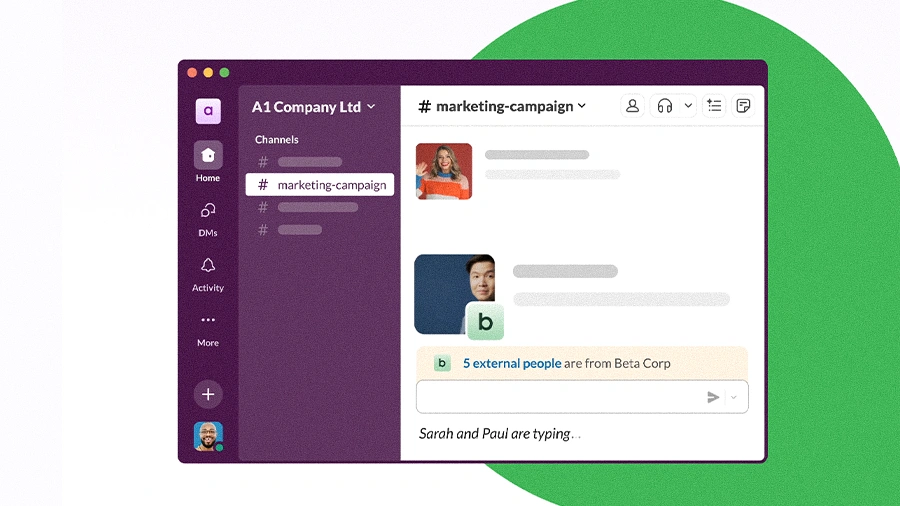
The new invisible micromanagement shows up in digital surveillance like tracking software, excessive status updates, or demanding immediate Slack responses.

Jonathan Westover
Associate Dean
Western Governors University
Modern work runs on dashboards, pings, and green status dots, and that infrastructure has made micromanagement easier to hide. The push for instant Slack replies and constant visibility contributes to a system that gives the illusion of autonomy while actually tightening control. Dressed up as outcome ownership and empowerment, even well-intentioned leaders claim to trust results while still defining every move required to reach them.
Questions of control, autonomy, and accountability define Dr. Jonathan Westover’s research and leadership work. As an Associate Dean at Western Governors University and a visiting academic at the University of Oxford, he oversees HR programs for nearly 10,000 students and studies how leaders replace control with trust. Also the Founder of the consulting firm Human Capital Innovations, Westover knows what drives controlling behaviors and, more importantly, how to fix them.
“The new invisible micromanagement shows up in digital surveillance like tracking software, excessive status updates, or demanding immediate Slack responses,” says Westover. That kind of quiet control often emerges as companies navigate the realities of hybrid work, where some leaders chase the illusion of digital visibility over actual value.
The value trap: Such reliance on employee tracking often signals a deeper leadership problem. When visibility is mistaken for value, trust erodes and high-performing teams begin to narrow their thinking. Westover describes this as a value trap, where leaders measure their contribution through constant involvement rather than strategic direction. “Many leaders equate their worth with hands-on control rather than strategic thinking,” he explains, a mindset that quietly turns oversight into interference.
Perfectionism makes problems: Perfectionism creates a second, less visible form of control. Framed as high standards, it often reflects a genuine belief that quality will drop without direct involvement. Westover points out that this mindset isn’t rooted in ego so much as fear. “Another hidden driver is perfectionism masked as high standards,” he says. “It’s a genuine belief that no one can match their quality.” Over time, that belief limits learning, slows decision-making, and keeps teams dependent on constant approval.
So how do leaders break free? For Westover, the journey begins with a leader’s own internal work. HR can coach leaders to manage their anxiety about letting go by helping them adopt a more strategic oversight role. The first external step is helping leaders see how these behaviors look in action. Often, it’s a culture of digital presenteeism, where the pressure to maintain a “green status” online ironically discourages the very creativity and engagement leaders hope to foster.
The sound of silence: “The warning signs are often subtle: your people stop bringing you new ideas, they become overly cautious, and they wait for your approval on even small decisions. A major red flag for any leader is when you find yourself answering more questions than your team is asking of each other.” Once a leader recognizes the problem, HR can guide them in shifting from control to trust.
Let go: The path begins by asking the team for honest feedback and then acting on it. From there, rebuilding trust means methodically turning the focus from monitoring activities to measuring outcomes. Leaders must model the behavior they want to see, demonstrating that trust by focusing on results rather than physical presence. “The first step is to ask the team for honest feedback on where they need more autonomy. Then, a leader must pick one area to completely let go. That means not just delegating, but actually stepping back to see what happens when you trust the process.”
Absence is a present: For the change to stick, Westover explains, leaders often need to experience a series of deep changes in perspective that connect directly back to their initial fears. These breakthroughs can make a manager’s behavioral changes permanent and solidify a new leadership approach. “The biggest shift happens when leaders realize their team’s growth requires their absence, not their presence,” he notes. “I’ve seen powerful moments when leaders recognize that their constant involvement actually prevents people from developing capability.”
Progress comes when leaders stop reading mistakes as reflections of their own competence and start treating them as useful information. That shift reduces the urge to overcorrect and opens space for experimentation and learning. As measurement tools become more powerful, HR’s role is to help leaders draw a clear line between support and surveillance. As Westover puts it, “the lasting change comes when leaders redefine success by prioritizing team capability over perfect execution.”
Related articles





TL;DR
Digital tools like dashboards, status indicators, and instant messaging enable a new form of micromanagement that hides behind accountability language while quietly tightening control and eroding trust.
Jonathan H. Westover, Associate Dean at Western Governors University, links this behavior to two drivers: leaders tying their value to constant involvement and perfectionism framed as high standards.
The path forward shifts leadership away from monitoring and toward trust by asking for honest feedback, measuring outcomes instead of activity, and prioritizing team capability over flawless execution.

Jonathan Westover
Western Governors University
Associate Dean
Associate Dean
Modern work runs on dashboards, pings, and green status dots, and that infrastructure has made micromanagement easier to hide. The push for instant Slack replies and constant visibility contributes to a system that gives the illusion of autonomy while actually tightening control. Dressed up as outcome ownership and empowerment, even well-intentioned leaders claim to trust results while still defining every move required to reach them.
Questions of control, autonomy, and accountability define Dr. Jonathan Westover’s research and leadership work. As an Associate Dean at Western Governors University and a visiting academic at the University of Oxford, he oversees HR programs for nearly 10,000 students and studies how leaders replace control with trust. Also the Founder of the consulting firm Human Capital Innovations, Westover knows what drives controlling behaviors and, more importantly, how to fix them.
“The new invisible micromanagement shows up in digital surveillance like tracking software, excessive status updates, or demanding immediate Slack responses,” says Westover. That kind of quiet control often emerges as companies navigate the realities of hybrid work, where some leaders chase the illusion of digital visibility over actual value.
The value trap: Such reliance on employee tracking often signals a deeper leadership problem. When visibility is mistaken for value, trust erodes and high-performing teams begin to narrow their thinking. Westover describes this as a value trap, where leaders measure their contribution through constant involvement rather than strategic direction. “Many leaders equate their worth with hands-on control rather than strategic thinking,” he explains, a mindset that quietly turns oversight into interference.
Perfectionism makes problems: Perfectionism creates a second, less visible form of control. Framed as high standards, it often reflects a genuine belief that quality will drop without direct involvement. Westover points out that this mindset isn’t rooted in ego so much as fear. “Another hidden driver is perfectionism masked as high standards,” he says. “It’s a genuine belief that no one can match their quality.” Over time, that belief limits learning, slows decision-making, and keeps teams dependent on constant approval.
So how do leaders break free? For Westover, the journey begins with a leader’s own internal work. HR can coach leaders to manage their anxiety about letting go by helping them adopt a more strategic oversight role. The first external step is helping leaders see how these behaviors look in action. Often, it’s a culture of digital presenteeism, where the pressure to maintain a “green status” online ironically discourages the very creativity and engagement leaders hope to foster.
The sound of silence: “The warning signs are often subtle: your people stop bringing you new ideas, they become overly cautious, and they wait for your approval on even small decisions. A major red flag for any leader is when you find yourself answering more questions than your team is asking of each other.” Once a leader recognizes the problem, HR can guide them in shifting from control to trust.
Let go: The path begins by asking the team for honest feedback and then acting on it. From there, rebuilding trust means methodically turning the focus from monitoring activities to measuring outcomes. Leaders must model the behavior they want to see, demonstrating that trust by focusing on results rather than physical presence. “The first step is to ask the team for honest feedback on where they need more autonomy. Then, a leader must pick one area to completely let go. That means not just delegating, but actually stepping back to see what happens when you trust the process.”
Absence is a present: For the change to stick, Westover explains, leaders often need to experience a series of deep changes in perspective that connect directly back to their initial fears. These breakthroughs can make a manager’s behavioral changes permanent and solidify a new leadership approach. “The biggest shift happens when leaders realize their team’s growth requires their absence, not their presence,” he notes. “I’ve seen powerful moments when leaders recognize that their constant involvement actually prevents people from developing capability.”
Progress comes when leaders stop reading mistakes as reflections of their own competence and start treating them as useful information. That shift reduces the urge to overcorrect and opens space for experimentation and learning. As measurement tools become more powerful, HR’s role is to help leaders draw a clear line between support and surveillance. As Westover puts it, “the lasting change comes when leaders redefine success by prioritizing team capability over perfect execution.”