We're losing really valuable female talent and we're losing balance in our organizations
 Beverley McCluskeyFounder, Florere Vita Ltd
Men are still 6.8 eNPS points happier at work than women, according to BambooHR's 2026 Employee Happiness Report, a gap that has narrowed from an average of 8 points over the previous three years without closing. The report's own guidance is to start with what's driving a different experience, and one place to look is the style of leadership an organization rewards. One leadership coach who works with women in high-pressure careers distinguishes hard power, which runs on targets, competition, and consequences, from soft power, which adds nurturing, listening, and coaching to the same expectations. She says almost every organization runs on hard power alone or close to it. In her telling, the clearest place to see which one a company runs on is what a manager does when someone gets something wrong.
Beverley McCluskey, Founder of Florere Vita, spent more than three decades in the pharmaceutical industry, moving from sales representative at AstraZeneca to regional operations and performance roles at Boehringer Ingelheim and Ashfield, before what she calls a "catastrophic burnout" forced a reckoning. She now coaches and mentors women in high-pressure careers and teaches an approach she calls soft power. Having worked inside the cultures she critiques, she argues that companies built on competition and force lose the women they most need to keep. Retention improves, in her view, when managers pair high targets with support.
"We're losing really valuable female talent and we're losing balance in our organizations," McCluskey says. She sees the pattern most clearly in pharmaceuticals, where she works regularly. The cause she keeps coming back to is an everyday one, the moment after a mistake, when a manager chooses between humiliating someone and helping them fix it. HR can ask about that moment without a new policy or a budget.
Most companies run on hard power by default
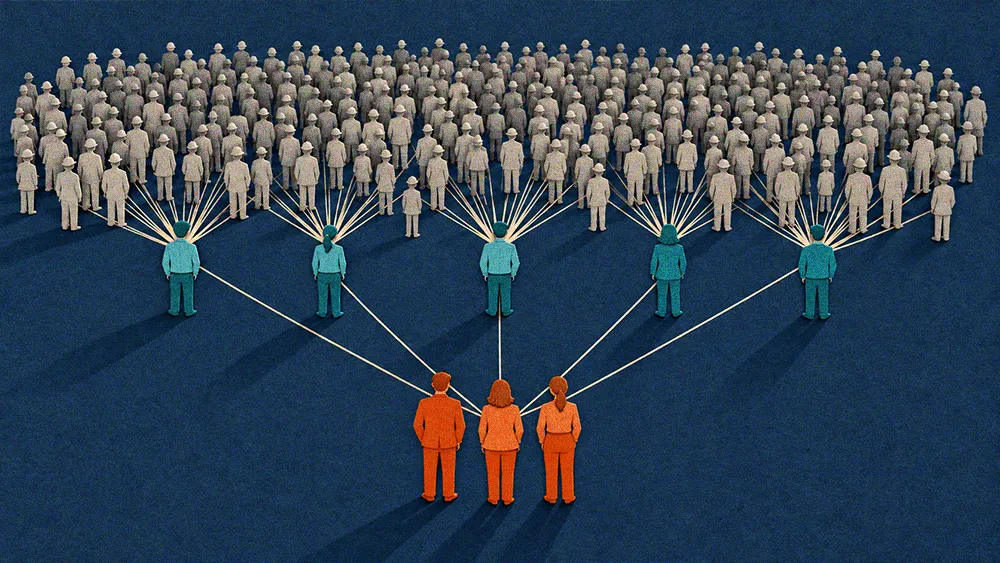
McCluskey calls the dominant style of workplace leadership hard power. It rests on competition, independence, and focus, and it works through the threat of consequences. "If you don't perform, do as I say, I will force you. Or I will punish you if you don't," she says. She sees nothing intrinsically wrong with those traits, but "they're a bit of a one trick pony."
She says the modern workplace "was created by men for men and the women just had to fit in as best as they can." Women have only been working full time for salaries large enough to live on for about two generations, she adds. The Superwoman ideal raises the bar further. The woman who excels at work and at home at once looks aspirational, McCluskey says, but she's "absolutely unachievable," and chasing her can make women sick.
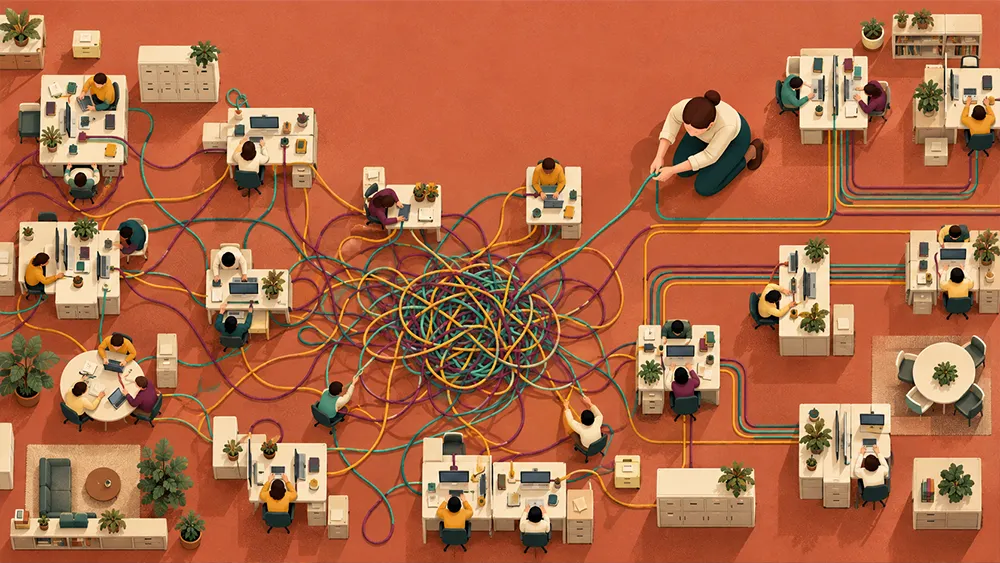
That leaves most workplaces with one gear. "So many organizations only have the one, and it doesn't fit for a lot of women a lot of the time. And then we blame ourselves for not being good enough," she says.
A mistake shows which style a leader runs on
McCluskey's test is what happens after someone gets something badly wrong. She acts out the soft power version, with the manager saying the work isn't what they expected and the deadline will slip before turning to the fix. "Don't worry, let's pull it apart, see what we can use, and we'll make it right. Let's sit down and do it together."
A manager running on hard power treats the same mistake as an offense, and the employee ends up humiliated. The damage carries forward. "You then become terrified of ever making a mistake again because the consequences are huge," McCluskey says. People either decide they aren't good enough and leave, she says, or they go over the report 20 times before submitting it, anxious about whether it will be liked.
Companies see the same split in corrective action, where a write-up can open a case or open a coaching conversation. In McCluskey's soft power version, the feedback still arrives, but so does the support to fix the problem, which she ties to psychological safety. "This is how people grow, develop, and they feel psychologically safe, which is often missing in a lot of workplaces," she says.
Organizations need both styles
McCluskey wants both styles in the same organization. "We probably need both. We need some hard and some soft," she says. Someone has to set the targets and make sure they're hit, and a few moments call for direct orders (in a burning building, she says, nobody should be gently talked toward the exit). Soft power covers everything around those moments, the nurturing and support that keep people coming back the next day.
She defines soft power as nurturing, caring, listening, and coaching, and she says it isn't limited to women. "Men can operate like this as well," McCluskey says. Men also benefit from working in it. "Men work better in soft power culture, too, because they stop being alpha male, competing with each other," she says.
McCluskey knows the name can work against her. "Because we say soft power, sometimes that's interpreted as weak or ineffective," she says. She calls the style "very powerful".
Hard power shows up in who leaves
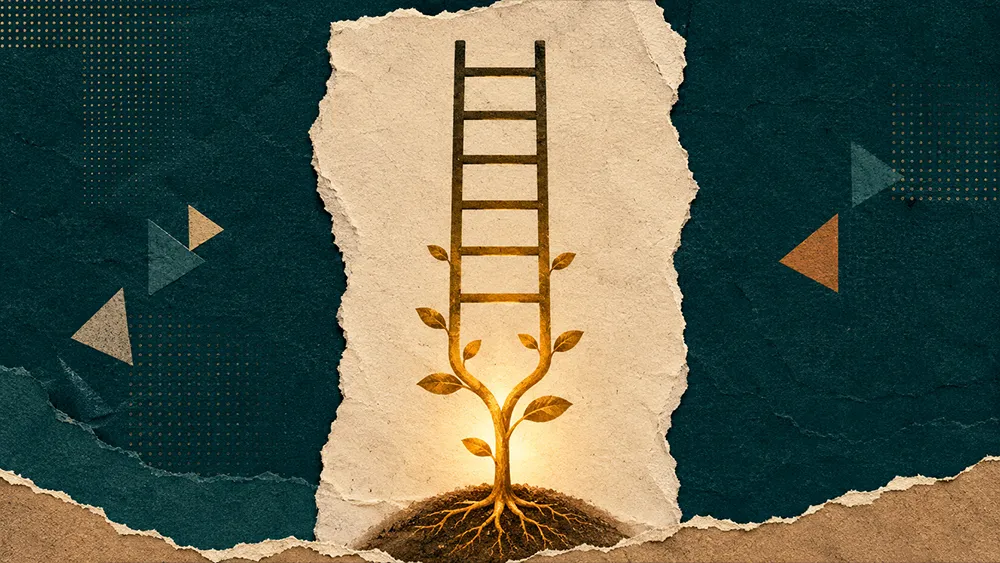
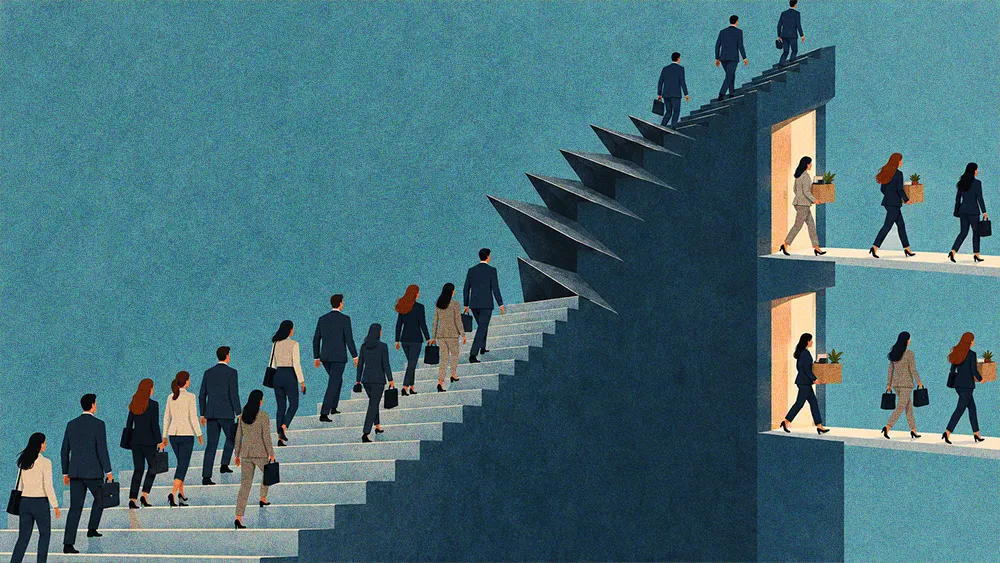
In McCluskey's experience, the cost is easiest to see in the pipeline. She works in pharmaceuticals regularly and says the entry-level ranks there are split about 50/50 between men and women. "As the jobs get more and more senior, it becomes predominantly more men. Women leave or they just don't make it," she says. Many of the women who drop out hold degrees, master's degrees, and PhDs, she adds.
She thinks any company that wants to keep making money five, 10, or 25 years from now will have to change course. At the company level, BambooHR's Employee Happiness Report found that the happiest companies lose 46% fewer employees than their unhappy counterparts. Fewer departures also means fewer searches for HR to run.
McCluskey expects more women promoted into senior roles, which in her view is how the gender pay gap closes, and "people staying in organizations rather than leaving because they don't like it." She also expects less sick leave, since she links much of it to sustained stress.
Her summary is "a happier workforce that will give more. More productive or fruitful, as I prefer to use it, because productive is quite a masculine word." She expects that workforce to have more impact and to draw more people to the organization.
BambooHR's Nicole Csiszar, Senior Director of HR Services, makes a related point in the report. The solution, she says, is "designing experiences that reflect the reality of a diverse workforce." A culture with one leadership style offers one experience, which is the problem McCluskey describes.
Start with the culture, then the policy
Asked whether the answer is better leave policies or leadership training for women, McCluskey says it sits deeper. "It's much more foundational, that's deep in the culture, because then the policies come out of that," she says.
That makes the first step diagnostic. An organization has to understand where it sits today, she says, and in her experience many don't realize there's an alternative to hard power. The starting point doesn't require a new program. It can ask managers and their direct reports what happens after a missed deadline or a rejected draft, and listen for whether the answer is a plan or a punishment. If the answers lean toward punishment, McCluskey's argument is that the organization has very little soft power and is paying for it in the women who leave.
McCluskey's closing advice is to recognize that a workplace has more than one kind of leadership available, and to ask which one is doing the work. "Are you hard or are you soft power? And you probably got very little soft power, but your organization could benefit greatly from bringing it in," she says.